Most people assume that “Kundalini yoga” refers to a single, clearly defined tradition. In reality, it doesn’t.
What is commonly practised today—especially in Western studios and online classes—is largely based on the system taught by Yogi Bhajan from the late 1960s onward. This system presents an accessible, structured approach to awakening energy, improving wellbeing, and deepening spiritual awareness.
Historically, however, “kundalini” is a much older concept found across a range of Indian yogic and tantric traditions. In these older contexts, kundalini refers to a subtle form of energy that can be cultivated through meditation, breathwork, and disciplined practice. These traditions vary widely and are not a single unified system.
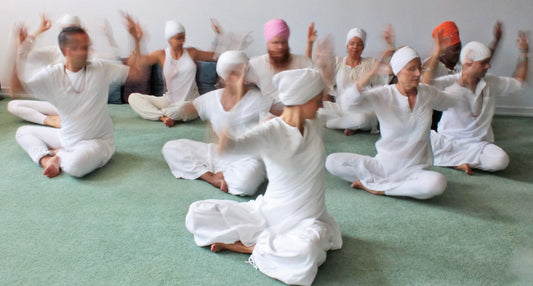
Modern Kundalini yoga differs in one important way: it presents practice as a complete, standardised system. Classes typically include:
- structured sequences (kriyas)
- timed exercises
- breathwork and mantra
- and defined instructions for practice
Alongside yogic techniques, the modern system also includes devotional elements influenced by Sikh tradition, reflecting the cultural background of its founder. Historically, yogic practices in India utilise elements of the Hindu traditions, including the use of the ancient language Sanskrit. These cultural nuances are completely optional in modern day yoga practice.
The result of Kundalini yoga 'as taught by Yogi Bhajan' is best understood as a modern synthesis—a structured pathway built from older concepts, adapted for contemporary teaching.
If you’re exploring the practice in more detail, you may find it helpful to experience it directly through a class or guided session.
Tags:
Related articles
-
Sep 18 2026
Why Do We Cover the Head in Kundalini Yoga?

-
Jun 25 2026
Your Sadhana, Your Personal Practice

-
Jun 25 2026
Transformation & Personal Growth

-
Jun 25 2026
Opening the Heart

-
Jun 25 2026
Grounding During Times of Uncertainty

-
Jun 25 2026
New Beginnings & Fresh Directions

-
Jun 25 2026